Showing posts with label Blume Lempel. Show all posts

Saturday, December 8, 2018

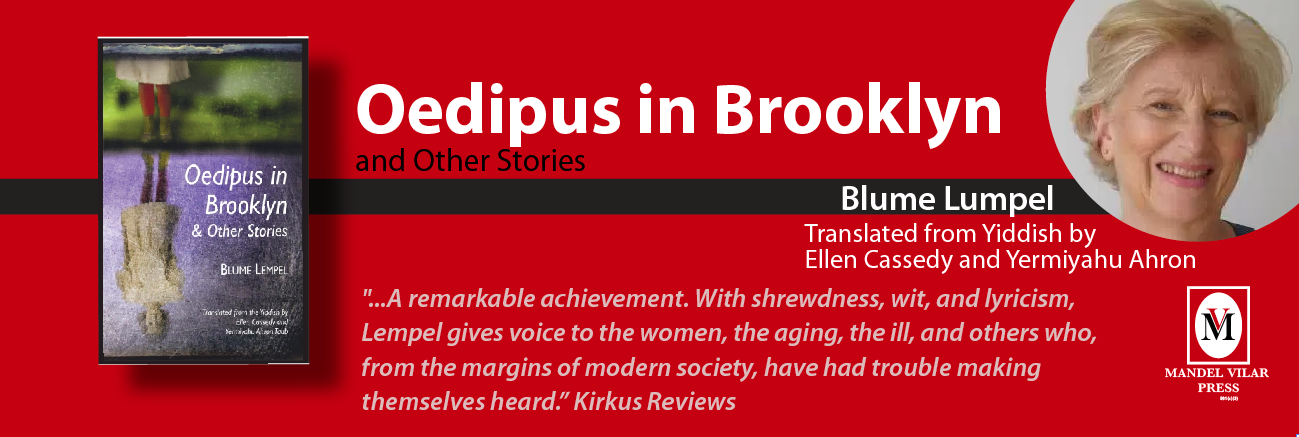
“Oedipus in Brooklyn” - A Short Story by Blume Lempel. translated from Yiddish and by Ellen Cassedy and Yermiyahu Ahron Taub, 2016


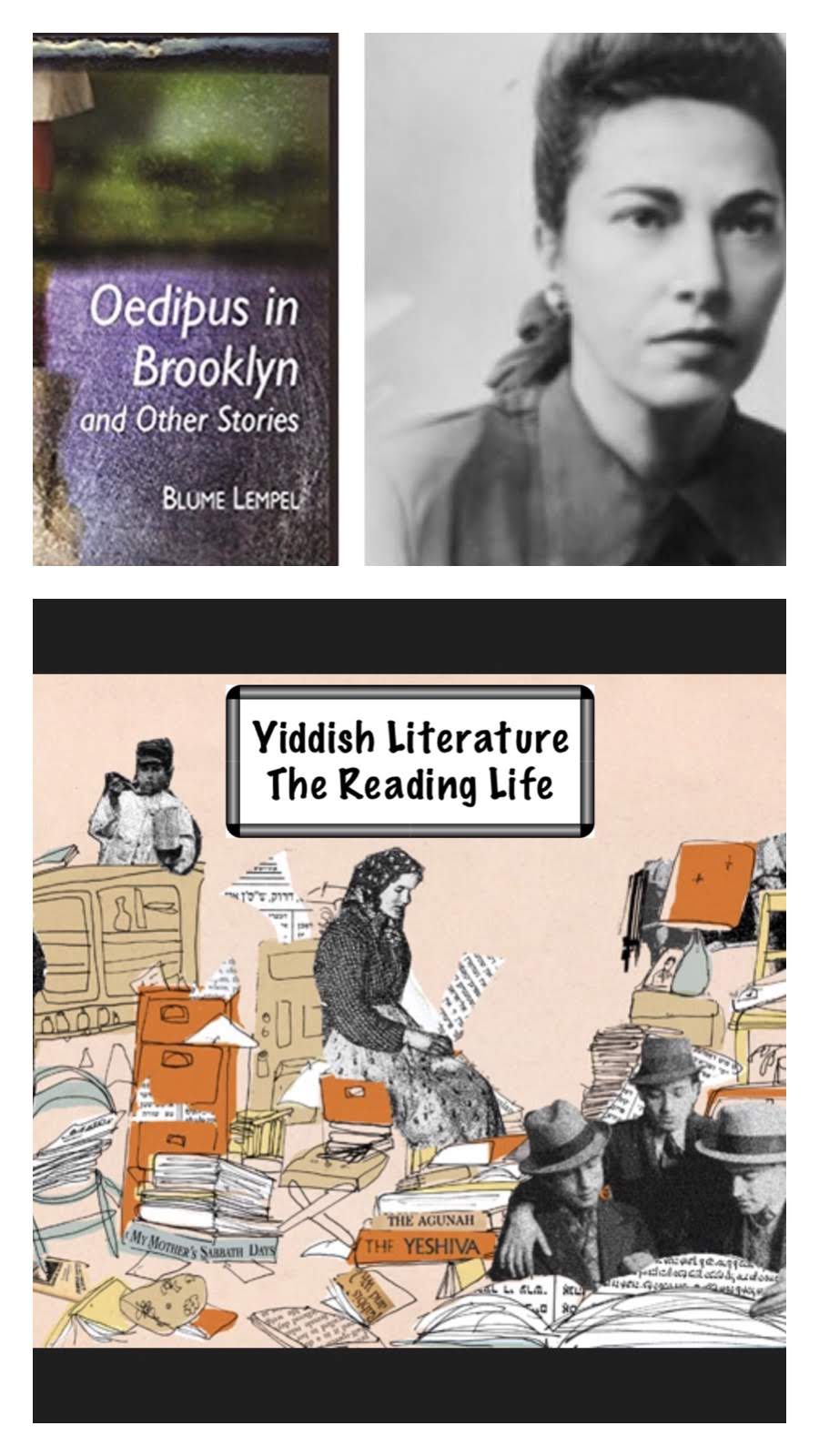
The Gateway to Blume Lempel on The Reading Life


Oedipus in Brooklyn” by Blume Lempel

“So here I sit, writing from right to left. My older brother watches over me, telling me what to write in Yiddish. I can’t very well ask him not to speak in the language of exile. Blessed with the gifts of a prodigy, he knows what I’m thinking. Yiddish is not a language of exile, he answers my unspoken words —it is mame-loshn, our mother tongue.” -  Blume Lempel


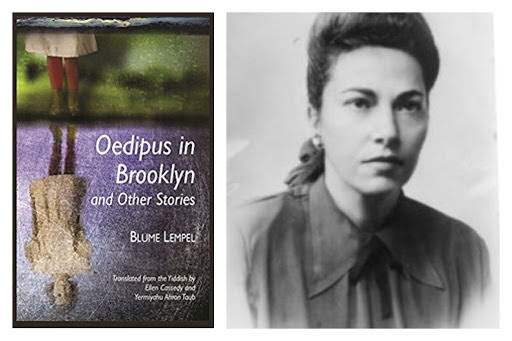
Today’s  story is the title work in Oedipus in Brooklyn Stories by Blume Lempel, translated and introduced by Ellen Cassedy and Yermiyahu Ahron Taub.


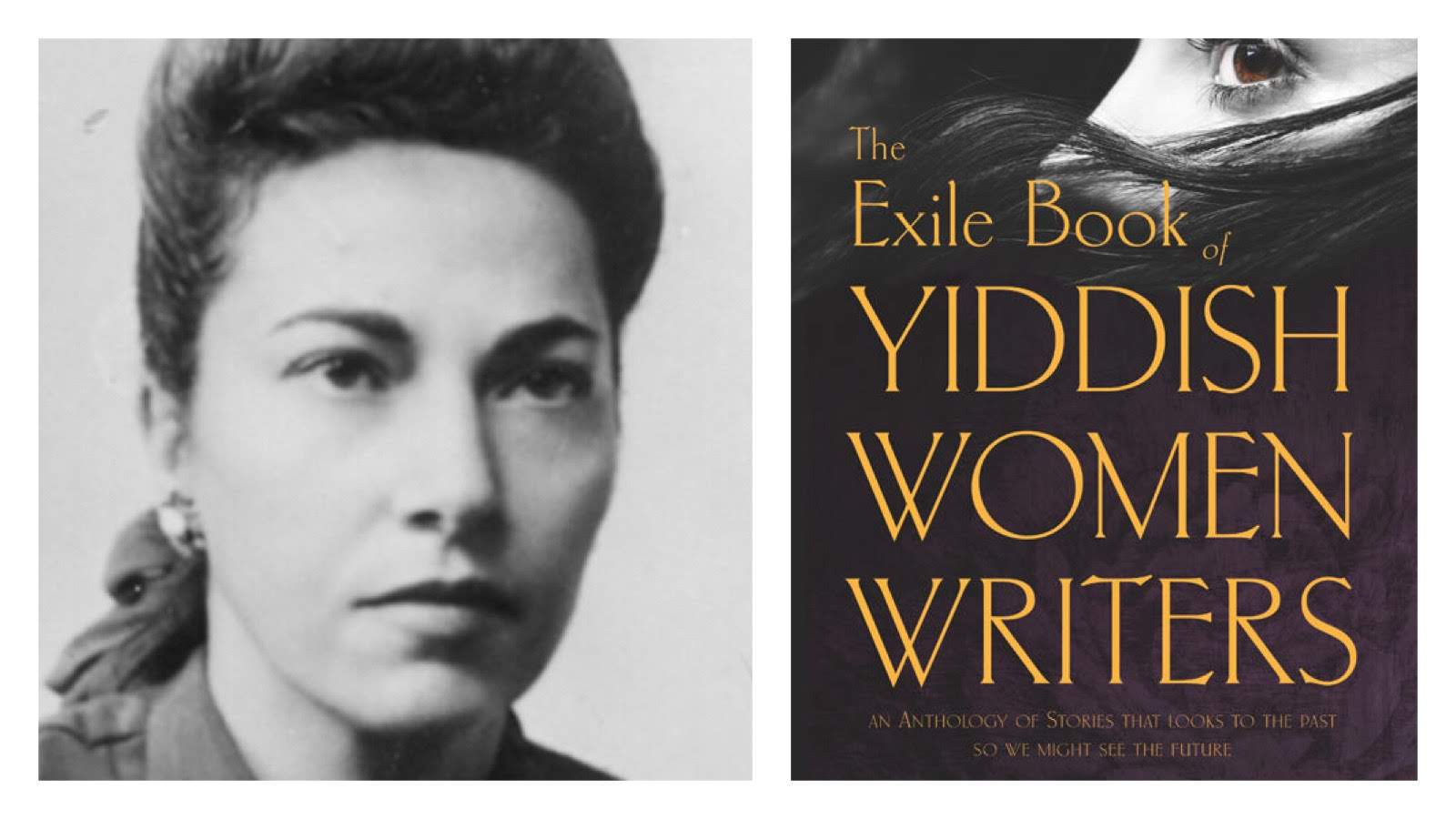
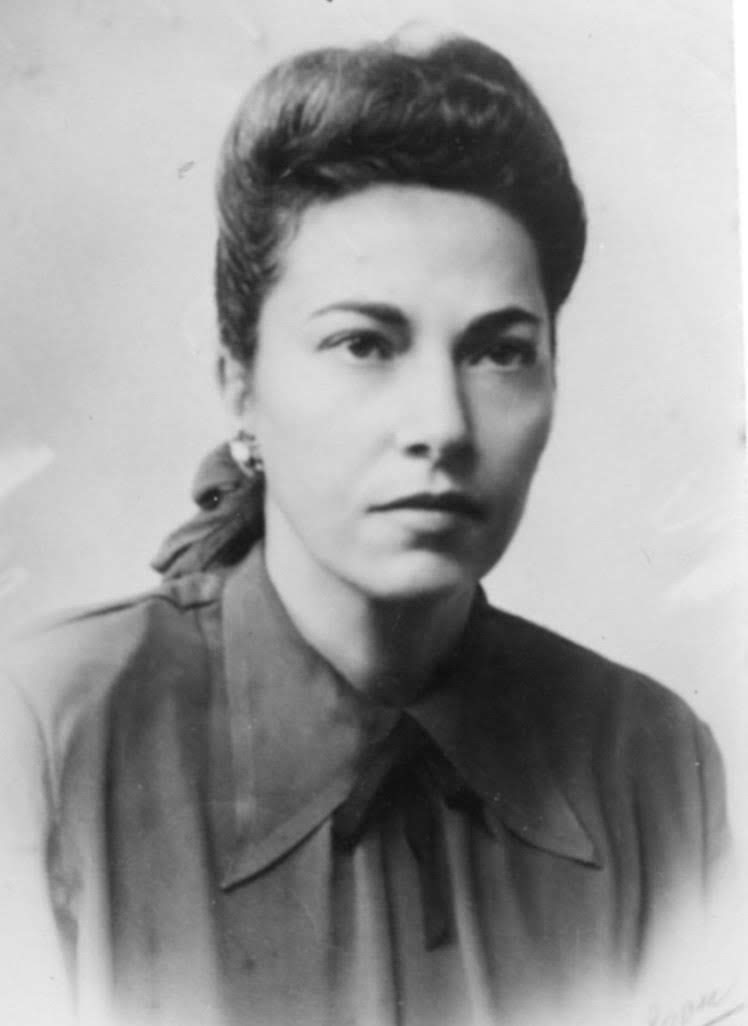
Blume Lempel

Born 1907 in The Ukraine

Moved to Paris in 1929, to be near her brother who lived there 

While in Paris she worked as a furrier and attended night school.


1939- having married and had two children, her Family moved to New York State, out of concern over rising anti-Semiticism.  Many in her extended Family died in The Holocaust as would have 

 she and her Family had they not left.  In 1942 French authorities in a compromise with the Germans, agree to arrest and turn over to the Germans all foreign born Jews. 

1943- begins to publish with a Short Story, all her writings were in Yiddish.  In part this was her way of defying those who wanted the magnifcient Yiddish Cultural tradition destroyed.

In 1950 the Family locates permanently in Long Island.

1999 passes away.

I have been reading in Yiddish literature (in translation) for about four years now.  The more I learn about Yiddish heritage  the more convinced I am that no other group cherished reading more.  I was deeply moved when I learned that upon liberation from a concentration camp many asked for something to read.  

There are several common misconceptions about Yiddish literature.  The production of Yiddish Literature is generally  originated about 1875 and ended around 2000, not with the Holocaust.  Most think the writers are almost all men, this is completely false.  Many believe the stories are all about life in old Russia or a small Eastern European shtetl.  This, as illustrated so powerfully by today’s story “Oedipus in Brooklyn” could not be more wrong.  A few authors still write in Yiddish, just as a few poets still write verse in Latin.  

More and more Yiddish works are still waiting to be translated.  Almost everyday I learn of a new story rendered in English.

“Oedipus in Brooklyn” is really a shocking story.  As far from Fiddler on the Roof as you can get.  The story opens tragically.  A married man has just bought a new car, he takes his son out for a drive.  A horrible crash kills the father and blinds the son.  The wife, supported by insurance funds devotes her life to taking care of her son.  They eventually move to Florida to get away from the memories of Brooklyn.  The boy learns Braille and becomes an avid reader. The bond between mother and son is very close.  People advise her it is best to put her son in a residential school for the blind, they tell her she is to young to withdraw from life.

I don’t want to tell the rest of the story as I hope some will read this and her other works.


Saturday, October 6, 2018

“The Sprite” - A Short Story by Blume Lempel - 1981- first published in Yiddish


“A year later, lying in a haystack, Chayale told her four-footed friends how fate had brought her here. She spoke to them half in animal talk and half in Yiddish.”

“The Sprite” ~ A Rege Fun Emes (A Moment of Truth), I.L.Peretz Publishing House, Tel Aviv, 1981 - first publication data 

Translation by Alisa Poskanzer with Judy Nisenholt

I read this in The Exile Book of Yiddish Women Writers,   Edited by Frieda Johles Forman, a delightful collection.

(This story is not included in Oedipus in Brooklyn Stories by Blume Lempel, translated and introduced by Ellen Cassedy and Yermiyahu Ahron Taub)


Blume Lempel

Born 1907 in The Ukraine

Moved to Paris in 1929, to be near her brother who lived there.

While in Paris she worked as a furrier and attended night school.


1939- having married and had two children, her Family moved to New York State, out of concern over rising anti-Semiticism.  Many in her extended Family died in The Holocaust as would she and her Family had they not left.  In 1942 French authorities in a compromise with the Germans, agree to arrest and turn over to the Germans all foreign born Jews. 

1943- begins to publish with a Short Story, all her writings were in Yiddish.  In part this was her way of defying those who wanted the magnifcient Yiddish Cultural tradition destroyed.

In 1950 the Family locates permanently in Long Island.

1999 passes away.

“The Sprite” is a unique story, written almost as a fable from the darkest days for Jews during World War Two in the Ukraine.  When Chayale was born, maybe 1929,  she seemed to her parents a not quite human girl.  The doctor and her mother felt. as they already had boy and a girl, she should be killed.  Her father ruled that they must love whatever God sends.  Chayale grew up with a second sight, an ability to bond with the wild animals of the forest.  I will give a sample of the story:

“Chayale was ten years old when the Germans took over her district . She sensed the danger even before the murderous news reached their village. Chayale got her big brothers to dig a hiding place in the forest. Her mother and father thought this was foolishness. “The forest is for animals, not for people,” said her parents. Behind their parents’ backs, Chayale and her brothers carried carried clothes and food to the hideout. When it became dangerous for her brothers to be out in the street, Chayale undertook the task on her own. She took over beans, peas, flour, sugar, salt. She sneaked through all dangers, ran on her fleet little feet, low to the ground, just like a sprite. Her fantasized friends told her whom to avoid and whom to trust. She could feel the danger, whether near at hand or at a distance, and could vanish in an instant. That is how the first winter passed. Right after Passover, new edicts were announced, among them the cruel expulsion orders. Chayale stubbornly insisted that she would not go. She would not be tricked to wait for the butcher like a goose in a cage. Her father’s pleas and her mother’s tears didn’t help. Chayale stood her ground. She would not go with eyes open into a ready-made trap”

The gentile peasants begin to thing she is supernatural.   A very evil thing happens, maybe Christians will be perplexed by the close, all should be.

The ending is heartbreaking.  I don’t have the ability to convey the depth of this story.  To me it shows an another aspect of the vast talent of Blume Lempel.  This would be a perfect story for discussion in a class for advanced college students.  

I love this story.  I read it three times.


Friday, September 14, 2018

“PACHYSANDRA” - A Short Story by Blume Lempel -first published in Yiddish in 1981, translated in 2016 by Ellen Cassedy and Yermiyahu Ahron Taub


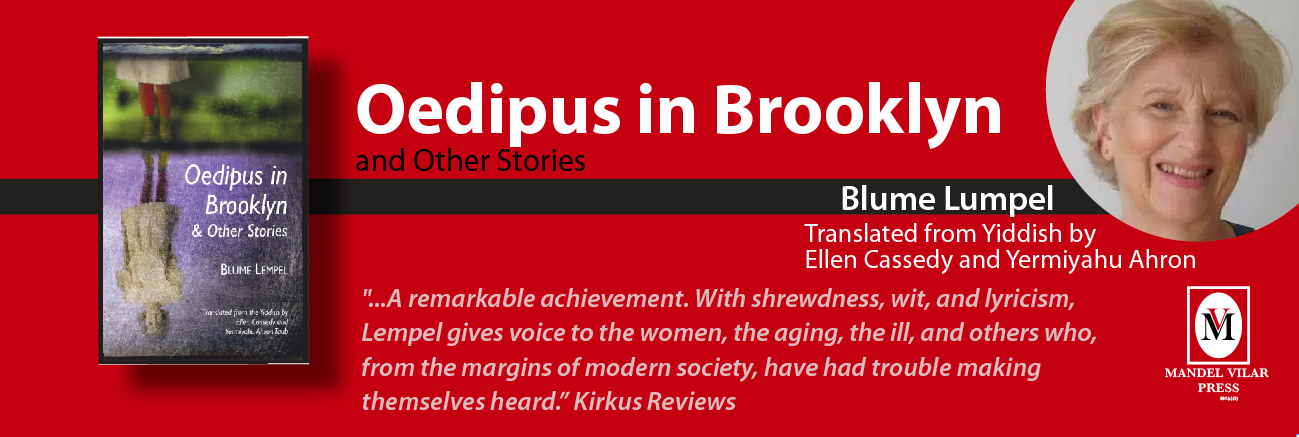
Yesterday as I was looking through a collection of Short Stories by Blume Lempel (pictured above).  I found a  story with the mysterious title of “Pachysandra”. I wonder what in Ashkenazi culture does this mean.  Does it go way back to

the Babylonian disporsa?  Is it a reference to an event in  
medieval Belarus?  

I was as far off in my expectations as i could be.  Set maybe in the 1930s in America, Pachsyandra is an African American woman.  It reads as if it might have been written by Eudora Welty, William Faulkner, or Zora Neale Hurston.  

She has deeply retreated into the scriptures, taking refuge in her faith from a deep guilt she feels over having sworn on her faith to a lie to prevent her adult son from murdering his wife by telling him falsely that she was not an adultress. He was ready to kill his wife and the lie his mother told prevented this.

The pain of this has hurt her so much.  She talks to herself, speaking Biblical verses:


“As soon as she opened her eyes in the morning and remembered who and where she was, her lips began to move —not just with any words, but with verses from the Bible. The first verse that came to mind and fully penetrated her consciousness would stay with her all day long, to be recited over and over from morning to night. Pachysandra did not select her own material. Biblical texts and images flooded her imagination, adapting themselves to her moods, which shifted in reaction to the weather, or to an argument with her son Tom, or to some distant pagan source whose origins she did not know and did not want to know. Pachysandra believed in the holy patriarchs of the Old Testament. She knew they were looking after her because they came without premeditation or prayer. They arose from the depths of her spirit, filling every corner of her room, settling on the bed, giving her advice on what to cook and what to eat. When she laughed, they laughed with her; when she cried, they cried, too.”

She sees her self as like Sarah, Abraham’s wife,  in The Old Testament:

“Pachysandra saw parallels between Sarah’s fortunes and her own. She too had rescued her only son from the butcher knife that he himself had sharpened. She too had crossed the river into a foreign land —and not just one river, but many rivers, many seas, until the very last wandering that brought her from South Carolina to cold, alien Brooklyn. Pachysandra yearned for South Carolina. She missed the wide open universe, as wide and open as God had created it. Every morning when she went shopping for her son Tom, she made a detour through Prospect Park so that she could luxuriate in the scent of the grass, the trees, the water.”

She moved from her home in South Carolina to Brooklyn to live with her son.  Maybe in the mass migrations of African Americans from the south, where their ancestors were slaves, there is a parallel to the escape of Jews from Egypt. In Pachysandra’s speaking verses from the bible the recitation of passages from the Torah.

This is a wonderful story, showing great insight and empathy.


Blume Lempel

Born 1907 in The Ukraine

Moved to Paris in 1929, to be near her brother who lived there.

While in Paris she worked as a furrier and attended night school.


1939- having married and had two children, her Family moved to New York State, out of concern over rising anti-Semiticism.  Many in her extended Family died in The Holocaust as would she and her Family had they not left.  In 1942 French authorities in a compromise with the Germans, agree to arrest and turn over to the Germans all foreign born Jews. 

1943- begins to publish with a Short Story, all her writings were in Yiddish.  In part this was her way of defying those who wanted the magnifcient Yiddish Cultural tradition destroyed.

In 1950 the Family locates permanently in Long Island.

1999 passes away.


Saturday, August 25, 2018

”The Invented Brother“ - A Short Story by Blume Lempel


“What I discovered in Auschwitz is the human condition, the end point of a great adventure, where the European traveler arrived after his two-thousand-year-old moral and cultural history.”. Irem Kertész

Blume Lempel

Born 1907 in The Ukraine

Moved to Paris in 1929, to be near her brother who lived there.

1939- having married and had two children, her Family moved to New York State, out of concern over rising anti-Semiticism.  (Many in her extended Family died in The Holocaust as would she and her Family had they not left.) Lempel came to love Paris and was fluent in French, along with Russia, Yiddish and English.  Shortly after she left, her brother was killed by Germans as a resistance fighter.

1943- begins to publish with a Short Story, all her writings were in Yiddish.  In part this was her way of defying those who wanted the magnifcient Yiddish Cultural tradition destroyed.

In 1950 the Family locates permanently in Long Island.

1999 passes away.

The popular image of Yiddish fiction is that is that all  Yiddish literature is connected to some kind of shtetl schmaltz, to defeatism and an exile mentality manifested in the movie Fiddler on the Roof.  This lingering prejudice has made it hard for modernist writers like Blume Lempel to gain an audience.  Blume Lempel’s work is very far from this vision.  The Holocaust changed everything for Yiddish writers and readers of their work.  Much of post World War Two Yiddish Literature is an attempt by survivors, mostly writing in New York City, Toronto, or Montréal to deal with this.  Blume Lempel was one of the Last real writers of Yiddish literature.  My impression from four years reading now is that most seriously interested in Yiddish literature, largely highly educated, do so in pursuit of greater knowledge of their heritage.  For this The Reading Life Honors them.  I take as my heritage, i understand the arrogance of this, all literature of the world.  To me the Holocaust was aimed at destroying all literature and insuring there would be no more to disturb those blissful in their ignorance and hatred of all those not just like them.  That is the heritage i seek to do what little i can to preserve.  It is very much Under assult now.

Today’s story “The Invented Brother” is told my a young woman, we dont know where exactly it is set only after The Holocaust.  Based on her other work, probably in the New York City area.


I see it as the narrator reconstructing elements of her memory to tell a Holocaust story about what seems to be the experiences of a brother she imagined to help her make sense of things. They are attacked in a Pogram, she is shocked to see her neighbors turn against her and her brother.  Her brother spends the war hiding in bakery attic by day and working by night in the shop.  I don’t know how much of this we are to see as real life history and how much is a story to give pattern the horror of the Holocaust.

How the Holocaust shaped Literature is a huge very important question.  My quick answer is more than you and I know.


This story was published in a collection of her work, Oedipus in Brooklyn and Other Stories, named for one of the stories, translated and introduced by Ellen Cassedy and Yermiyahu Taub, assembled from two Yiddish language collections published by Lempel.  In my prior posts on Lempel there are links  to two very good lectures by the translators. I thank them for bringing Lempel to the Yiddish lacking literary world.

Mel u


Wednesday, July 25, 2018

“Images on a Blank Canvas”.— A Short Story by Blume Lempel


“I am a housewife, a wife, a mother, a grandmother —and a Yiddish writer. I write my stories in Yiddish. Yiddish is in my bones. When I hear my mother’s “Oy!” in my head, I lift my eyes to the heavens and hear God answering me in Yiddish.”  Blume Lempel 

Paris in July hosted by Thyme for Tea is a great event.  I Focus on literary works and nonfiction but you are invited to share your thoughts and experience on anything Paris related, from a great recipe, a favourite movie set in Paris, mine is Ninotchka, an account of your stay in Paris.  I hope lots of people join in.  Just be sure to  link you post on the event home page.  

There is still plenty of time to join us.

 There are lots of very interesting posts from food bloggers, Francophiles, travel bloggers, as well as book bloggers.  Normally I don’t venture far from the international book blog community so for me this event is an excellent way to expand my horizons. 

So far I have posted on

  1. “A Yiddish Poet in Paris” by Blume Lempel, 1978
  2. Vagabond by Colette, 1904
  3. Lost Times - Lectures on Proust in a Soviet Prison Camp by Józef Czafski -translated and introduced. by Eric Karpeles - 2018
  4. “Her Last Dance” by Blume Lempel - 
  5. Gerorge Sand by Martine Reid 2017
THE ARCHIVE THIEF The Man Who Salvaged French Jewish History in the Wake of the Holocaust LISA MOSES LEFF
  1. “Cousin Claude” by Blume Lempel
  2. Taste of Paris:A History of the Parisian Love Affair with Food by David Downie
  3. “The Beggar” by Gaito Gazdanov, 1962
  4. “Images on a Blank Canvas” by Blume Lempel

I have three anthologies of Short Stories translated from Yiddish, about sixty different writers.  Looking through the brief included biographies, maybe fiveteen of the authors left their homelands in Eastern Europe between 1929 and 1939, trying to find a country more open to Jews.  Compared to Eastern Europe and Russia, Jews had been left in relative peace in France for five hundred years. Of these writers, about half made it to America before the French began turning over foreign born Jews to the Germans.  Blume Lempel and her husband and children arrived in New York City in 1939.  She loved Paris, was fluent in French and always wanted to return.


I was gratified when my post on a story by Blume Lempel “A Yiddish Poet in Paris” drew attention from event participants.  Many thousands of Eastern European Jews immigrated to France in the 1930s, hoping they would be safer from the Nazis.  


Blume Lempel

Born 1907 in The Ukraine

Moved to Paris in 1929, to be near her brother who lived there.

While in Paris she worked as a furrier and attended night school.


1939- having married and had two children, her Family moved to New York State, out of concern over rising anti-Semiticism.  Many in her extended Family died in The Holocaust as would she and her Family had they not left.  In 1942 French authorities in a compromise with the Germans, agree to arrest and turn over to the Germans all foreign born Jews. 

1943- begins to publish with a Short Story, all her writings were in Yiddish.  In part this was her way of defying those who wanted the magnifcient Yiddish Cultural tradition destroyed.

In 1950 the Family locates permanently in Long Island.

1999 passes away.

This is the fourth  story by Blume Lempel I am including as part of my participation in Paris in July 2018.  Previously I posted on her 
“A Yiddish Poet in Paris”, love the title, and “Her Last Dance”, about a Yiddish heritage French born woman that was the mistress of the chief of Police of Paris while it was occupied by the Germans. I also posted on a story about a man sent out from Paris to New York City by his hiders after his parents were murdered by the Germans.

In my post on THE ARCHIVE THIEF The Man Who Salvaged French Jewish History in the Wake of the Holocaust LISA MOSES LEFF there is a bit of information about what I call Yiddish Paris.

The narrator of “images on a Blank Canvas”, lives in Paris, the time lines are not real clear but well before the Holocaust her family moved from Poland  to Paris.  The story is set long after the war but we dont learn how she escaped being deported to Auschwitz (most all French Jews were sent there).  Her very good friend was captive there when the camp was liberated.  As the story is told she and her friend’s adult daughter are on the way to her funeral in Israel, where she moved later in life.  The power in this dark story is how the Holocaust deformed the spirit of her friend, how twenty years later it drove her to suicide.

Living in Tel Aviv she was shunned because she was a prostitute who lived with an Arab.  

I cannot begin to match descriptive power of Lempel:

“to her eternal rest and remember how gladly I would have relinquished all my worldly ambitions to study in Lemberg. Through the skylight of my Parisian garret I used to look up at the tiny rectangle of heaven that fortune had allotted me and conjure up Zosye’s lush, slumbering garden. How I cursed the fate that had stranded me in Paris on my way to Israel! Zosye did not want to go to Israel, nor did she need to. For her, the vine was abloom with all the brilliant hues of the bejeweled peacock that resides in the dreams of every young woman. How could she have known, as she played the piano, that the civilization of those magical notes was even then writing her people’s death sentence? How could she have known that form and harmony were but the seductive song of the Lorelei, the façade behind which the cannibal sharpened his crooked teeth? Protected and sheltered like the golden lilies in her father’s garden, Zosye could not see those teeth. With the natural power that is the birthright of every living thing, she glowed in the light of the sun. Endowed with all the attributes she needed to thrive and grow, Zosye was primed to scatter her own seeds across God’s willing earth. The pages I turn are blank, as unreadable as the image in a shattered mirror. It occurs to me that the earth to which Zosye is now returning holds the remains of another prostitute, the biblical Tamar, who sat down at the crossroads where fortunes were decided and seduced men with her charms. I search for a spark of Tamar’s desire in the image of Zosye that is anchored deep in my memory. I search for the lust of a whore in her dimples and her rosy, Polish-speaking lips that surely didn’t even know the meaning of the word “prostitute.” I look into her eyes, the reflection of her soul. Her character, unripe, uprooted, is borne by the wind to the four corners of the world. I search for the legacy of modesty passed down through the generations. I search for the set path of her father, and before me another form rises up: her Uncle Shloyme, the Russian. I don’t force this figure to take shape —I let it grow on its own. I relive the terror that his death caused me, which penetrated my dreams long after I’d left my town behind.”

Please excuse the long quote, I want others to feel the depth of Lempel


This story was published in a collection of her work, Oedipus in Brooklyn and Other Stories, named for one of the stories, translated and introduced by Ellen Cassedy and Yermiyahu Taub, assembled from two Yiddish language collections published by Lempel.  In my prior posts on Lempel there are links  to two very good lectures by the translators. I thank them for bringing Lempel to the Yiddish lacking literary world.

Mel u


Saturday, July 21, 2018

“Cousin Claude” - A Short Story by Blume Lempel


Paris in July hosted by Thyme for Tea is a great event.  I Focus on literary works and nonfiction but you are invited to share your thoughts and experience on anything Paris related, from a great recipe, a favourite movie set in Paris, mine is Ninotchka, an account of your stay in Paris.  I hope lots of people join in.  Just be sure to  link you post on The event home page.

 There are lots of very interesting posts from food bloggers, Francophiles, travel bloggers, as well as book bloggers.  Normally I don’t venture far from the international book blog community so for me this event is an excellent way to expand my horizons. 

So far I have posted on

  1. “A Yiddish Poet in Paris” by Blume Lempel, 1978
  2. Vagabond by Colette, 1904
  3. Lost Times - Lectures on Proust in a Soviet Prison Camp by Józef Czafski -translated and introduced. by Eric Karpeles - 2018
  4. “Her Last Dance” by Blume Lempel - 
  5. Gerorge Sand by Martine Reid 2017
THE ARCHIVE THIEF The Man Who Salvaged French Jewish History in the Wake of the Holocaust LISA MOSES LEFF
  1. “Cousin Claude” by Blume Lempel

I was gratified when my post on a story by Blume Lempel “A Yiddish Poet in Paris” drew attention from event participants.  Many thousands of Eastern European Jews immigrated to France in the 1930s, hoping they would be safer from the Nazis.  


Blume Lempel

Born 1907 in The Ukraine

Moved to Paris in 1929, to be near her brother who lived there.

While in Paris she worked as a furrier and attended night school.


1939- having married and had two children, her Family moved to New York State, out of concern over rising anti-Semiticism.  (Many in her extended Family died in The Holocaust as would she and her Family had they not left.  In 1942 French authorities in a compromise with the Germans, agree to arrest and turn over to the Germans all foreign born Jews. 

1943- begins to publish with a Short Story, all her writings were in Yiddish.  In part this was her way of defying those who wanted the magnifcient Yiddish Cultural tradition destroyed.

In 1950 the Family locates permanently in Long Island.

1999 passes away.

This is the third story by Blume Lempel I am including as part of my participation in Paris in July 2018.  Previously I posted on her 
“A Yiddish Poet in Paris”, love the title, and “Her Last Dance”, about a Yiddish heritage French born woman that was the mistress of the chief of Police of Paris while it was occupied by the Germans. Many eastern Europeans Jews fled to Paris.  In my post on THE ARCHIVE THIEF The Man Who Salvaged French Jewish History in the Wake of the Holocaust LISA MOSES LEFF I talk a bit about what happened to these people.  Luckily, Blume Lempel and her family moved to New York City before the French authorities began to turn over foreign born Jews to the Germans.

“Cousin Claude” is the story of a young Jewish boy sent by himself from France to his relatives in New York City.  His parents were shot by the Germans in a round up of Jews.  Neighbors hid him until, with the Assistance of his American relatives, he could take streamer passage to New York City.

The story is told through the eyes of his young female cousin:

“Anything and everything French was placed on a pedestal in our house. We couldn’t admire a local landscape without having my mother compare it unfavorably to the French countryside. French food, French clothes, French culture . . . nostalgia hung like a pall over our heads. When the horrific news began to arrive from across the ocean, however, my mother changed her attitude toward the French and all of Europe. She became active in relief organizations and took part in school activities to help refugee children feel more at home in a strange world. The day of Claude’s arrival was bright and sunny. Our taxi sped through unfamiliar streets, all of us silently urging it to go even faster. As we approached the harbor, I grew terrified. What would he think of me? What kind of impression would I make? How would I measure up against the Parisian girl”

Claude has trouble adjusting in school at first but soon became very Americanized. At first he seems to forget how to speak French.

Years go by in story, then Claude begins to remember France:

“As soon as Claude started high school he discovered what my parents had tried to hide from him. He threw himself into reading books about the Holocaust. Now, suddenly, he remembered his French. He read his parents’ letters, then hid them among his things. Everything that had to do with his parents, he hid. He wrote down the date and place where his father was shot. He resumed contact with the French family from whose house his mother had been deported. In a notebook in the pouch from HIAS, he recorded his old address in Paris along with those of friends who had survived.”

Claude spends three years in the navy.  The Family almost loses touch with him until they learn he is living in San Francisco and is a very highly regarded artist.

I plan to post on one more story by Lempel, a very sad story.


To his story was published in a collection of her work, Oedipus in Brooklyn and Other Stories, named for one of the stories, translated and introduced by Ellen Cassedy and Yermiyahu Taub, assembled from two Yiddish language collections published by Lempel.  In my prior posts on Lempel there are links  to two very good lectures by the translators. I thank them for bringing Lempel to the Yiddish lacking literary world.


Mel u

Featured Post

Imperial Reckoning: The Untold Story of Britain’s Gulag in Kenya by Caroline Elkins - 2005 - 701 Pages

  Imperial Reckoning:     The Untold Story of Britain’s Gulag in Kenya by Caroline Elkins - 2005 - 701 Pages 2006 Pulitzer Prize Winner From...